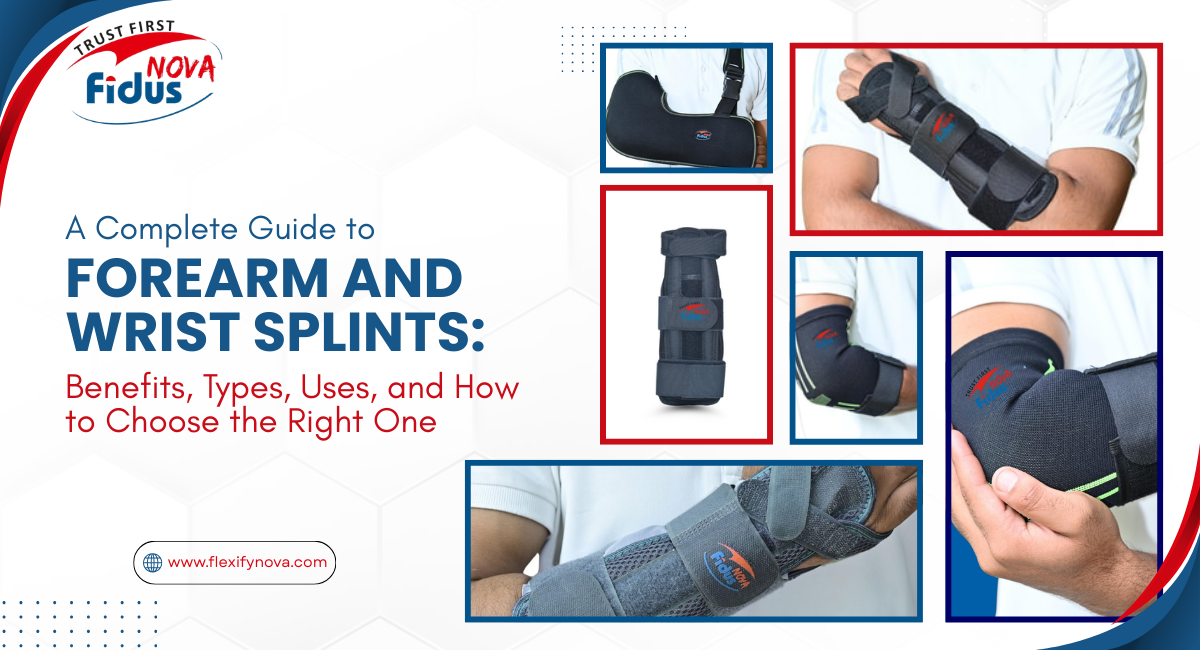
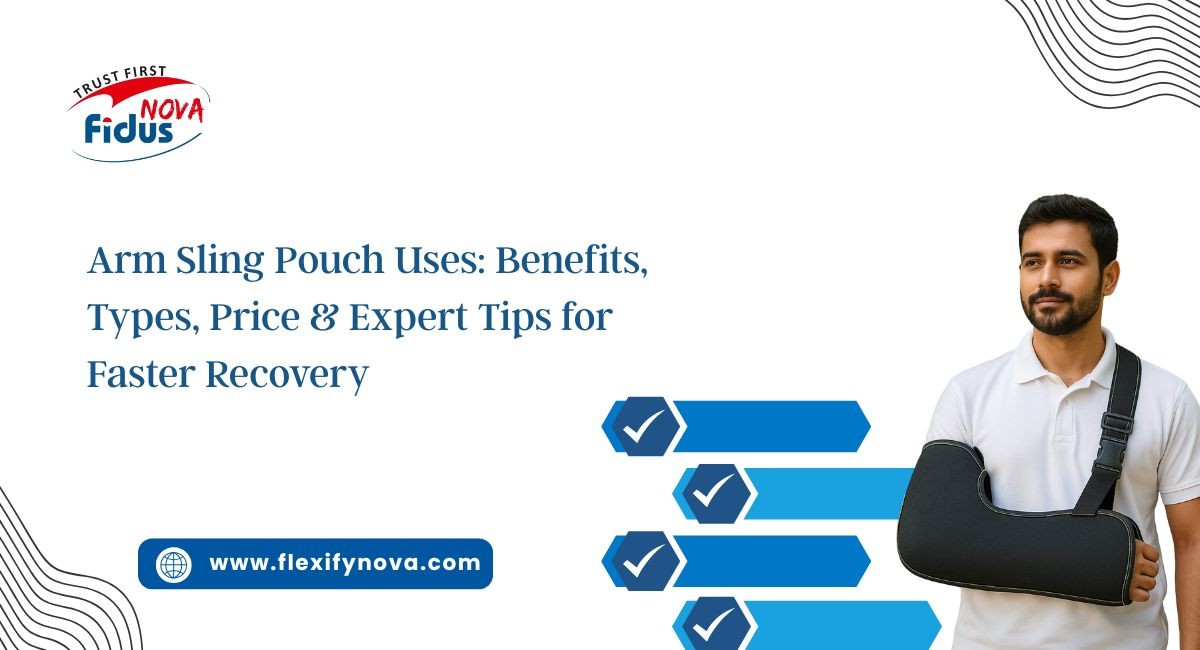
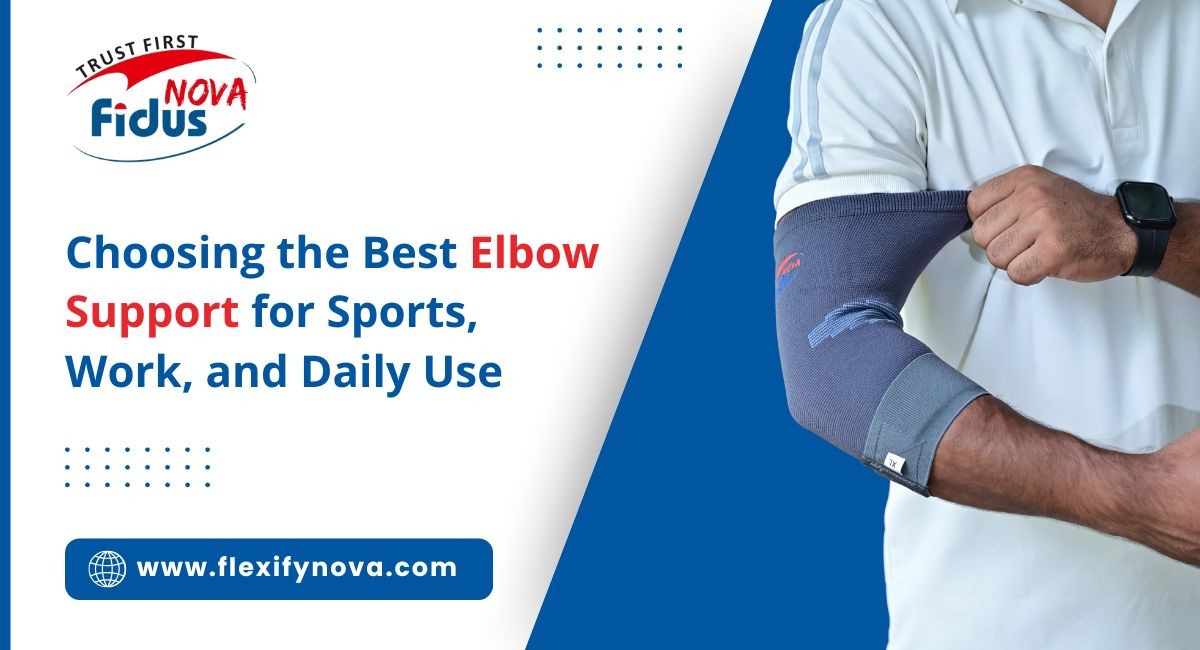
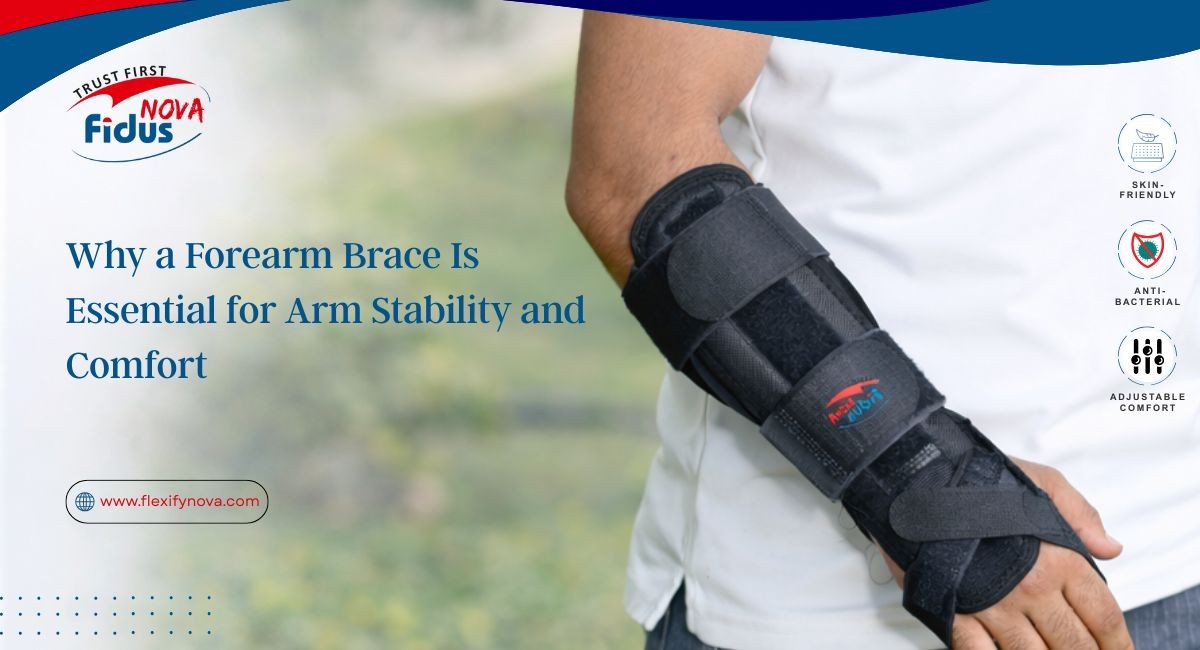
Forearm pain, injury, or discomfort can significantly affect your daily life—whether you’re working on a computer, lifting weights, or performing routine tasks. A forearm brace is one of the most effective solutions to provide support, reduce pain, and speed up recovery. But what exactly is a forearm brace, and how can it help you?
In this comprehensive guide, we’ll explain everything you need to know about forearm braces, including their benefits, uses, and expert tips to get quick relief.
What is a forearm brace?
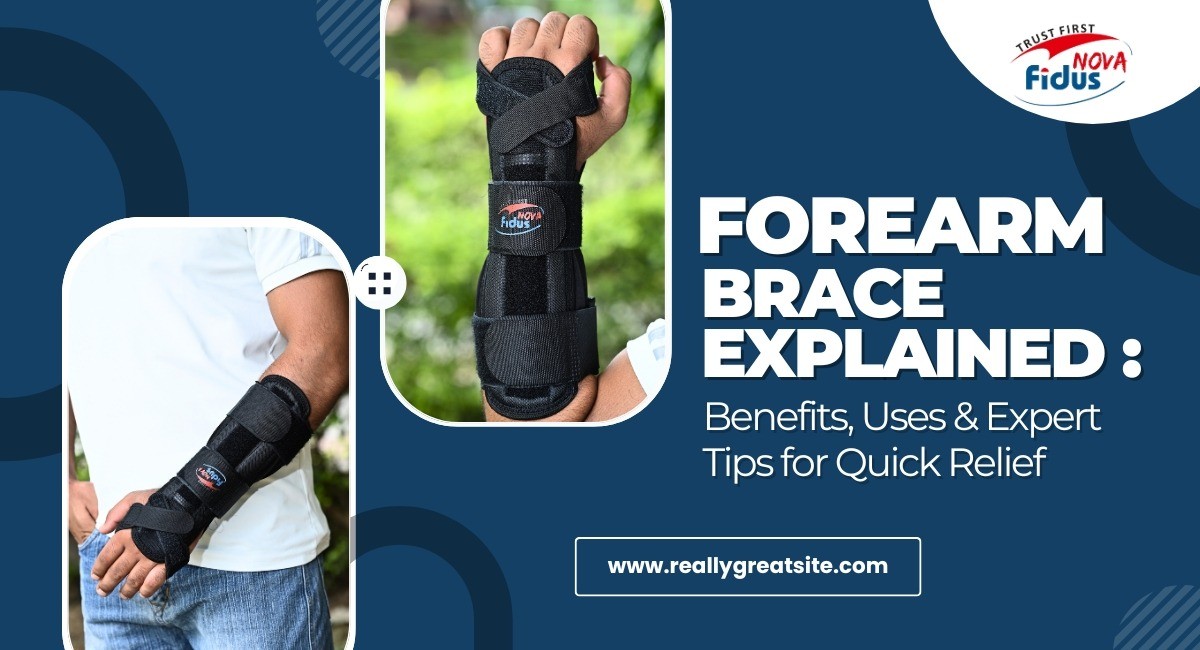
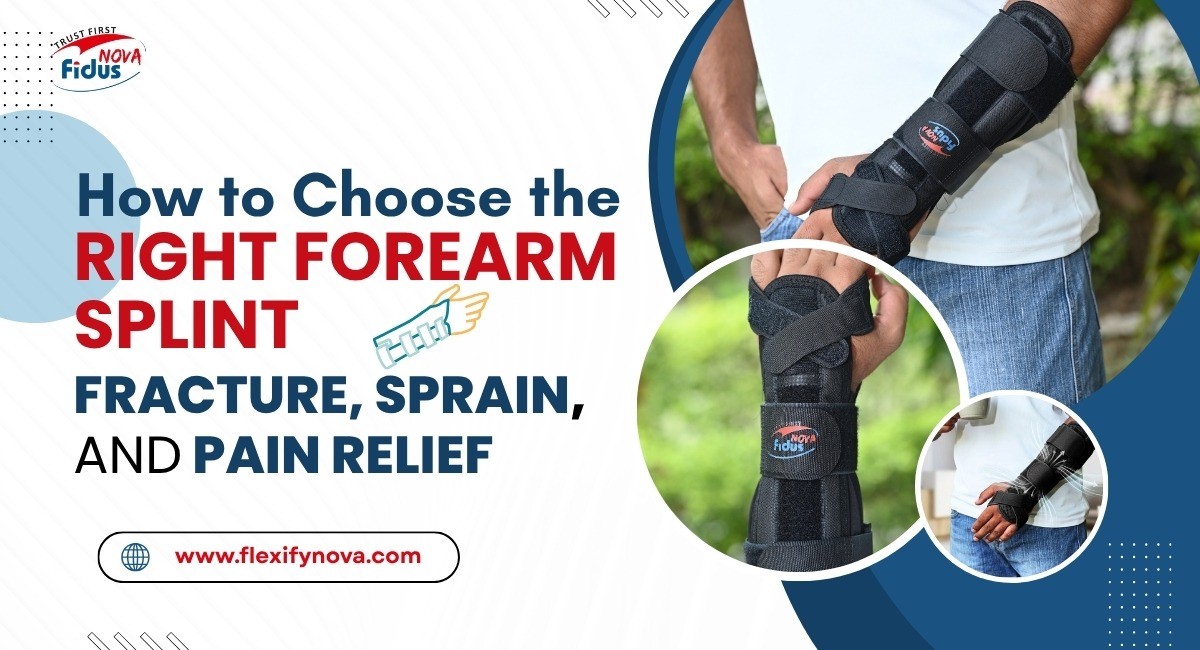
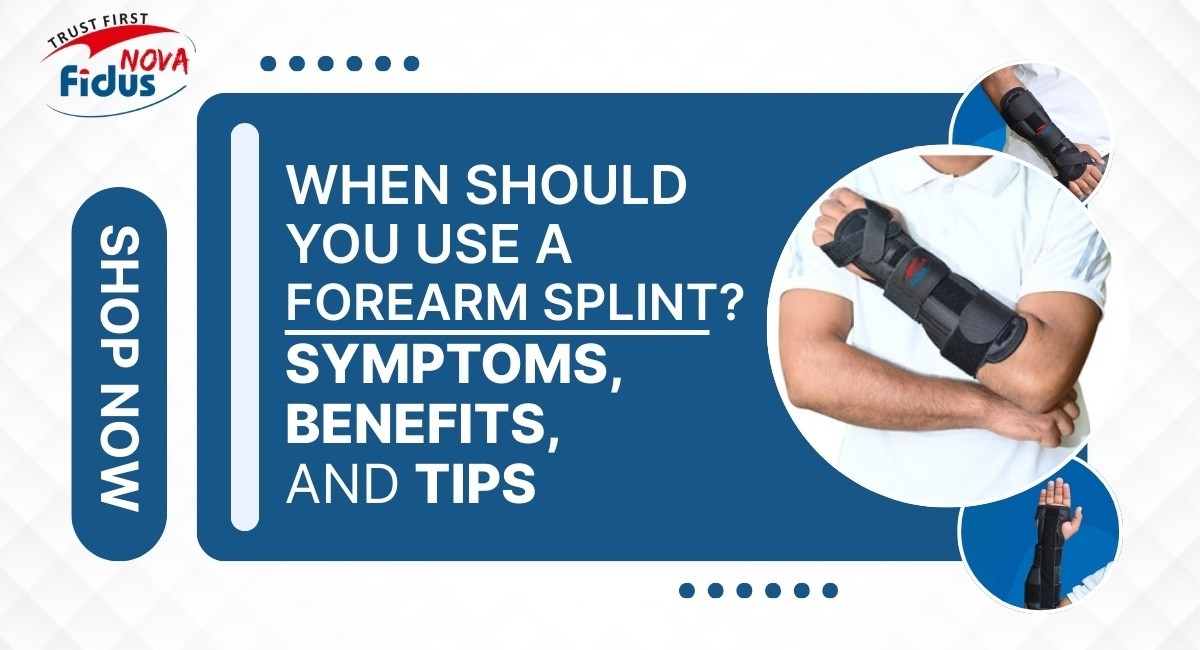
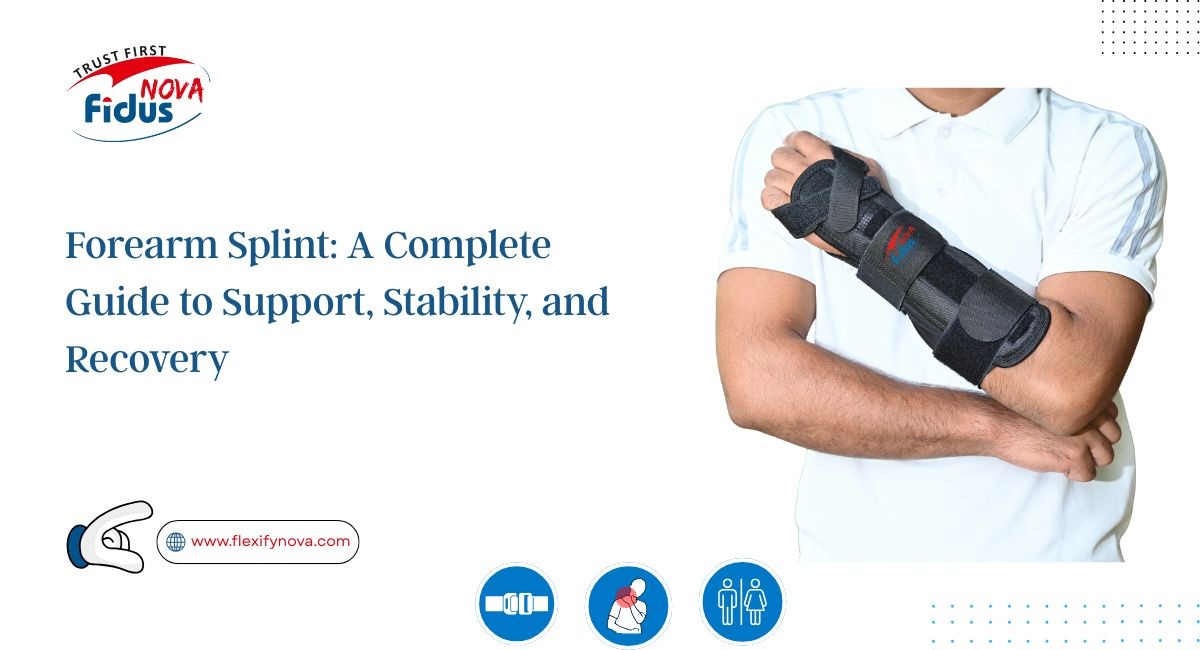
A forearm brace is a supportive medical device designed to stabilize the muscles, tendons, and bones in your forearm. It helps limit unwanted movement, reduces strain, and promotes proper healing after injuries.
Forearm braces are typically made from breathable fabrics and adjustable straps, and sometimes include metal or plastic splints for added support. They are commonly used by individuals dealing with injuries, repetitive strain, or chronic pain conditions.
Common Conditions That Require a Forearm Brace
A forearm brace is recommended for a variety of conditions, including:
1. Sprains and Strains
Overstretching or tearing of muscles and ligaments can cause swelling and pain. A brace helps immobilise the area and prevent further damage.
2. Fractures
In cases of minor fractures, a forearm brace provides support and keeps the bones aligned during the healing process.
3. Tendonitis
Inflammation of tendons, often caused by repetitive movements, can be effectively managed with a brace that reduces strain.
4. Carpal Tunnel Syndrome
Although primarily a wrist condition, a forearm brace can help reduce pressure and improve alignment.
5. Sports Injuries
Athletes often use forearm braces to prevent injuries or support recovery during training.
Key Benefits of Using a Forearm Brace
1. Pain Relief
One of the primary benefits of a forearm brace is immediate pain reduction. Restricting movement and supporting the affected area minimises stress on injured tissues.
2. Faster Recovery
A brace promotes proper alignment and healing, which can significantly speed up recovery time.
3. Improved Stability
Forearm braces provide stability to weak or injured muscles and joints, reducing the risk of further injury.
4. Reduced Inflammation
Compression from the brace helps reduce swelling and inflammation, which are common after injuries.
5. Versatile Use
Whether you’re recovering from an injury or preventing one, a forearm brace can be used in multiple scenarios.
Types of Forearm Braces
Choosing the right type of forearm brace depends on your condition and the level of support needed.
1. Compression Sleeves
These provide light support and are ideal for mild pain, fatigue, or preventive use during activities.
2. Splint Braces
These include rigid supports and are used for fractures, severe sprains, or post-surgery recovery.
3. Adjustable Strap Braces
These offer customizable support and are suitable for moderate injuries and daily use.
4. Sports Braces
Lightweight and flexible, these are designed for athletes to maintain performance while preventing injuries.
How to Choose the Right Forearm Brace
Selecting the correct brace is essential for effective treatment. Here are some factors to consider:
1. Level of Support
Mild pain → Compression sleeve
Moderate injury → Adjustable brace
Severe injury → Splint brace
2. Material
Look for breathable, skin-friendly materials that provide comfort during extended use.
3. Size and Fit
A properly fitted brace ensures maximum effectiveness. Avoid braces that are too tight or too loose.
4. Adjustability
Adjustable straps allow you to customize compression and support based on your needs.
5. Purpose
Determine whether you need the brace for recovery, daily support, or sports use.
How to Use a Forearm Brace Correctly
Using a forearm brace properly is crucial for achieving the best results.
Wear the brace as recommended by a healthcare professional
Ensure it fits snugly but does not restrict blood flow
Avoid wearing it too tightly
Remove the brace periodically to allow your skin to breathe
Clean the brace regularly to maintain hygiene
Expert Tips for Quick Relief
To maximise the benefits of a forearm brace, follow these expert tips:
1. Combine with Rest
Avoid activities that strain your forearm. Rest is essential for healing.
2. Use Ice Therapy
Apply ice packs to reduce swelling and inflammation, especially during the initial stages of injury.
3. Perform Gentle Exercises
Once the pain reduces, perform light stretching and strengthening exercises to regain mobility.
4. Maintain Proper Posture
Incorrect posture can worsen forearm pain, especially during desk work.
5. Stay Consistent
Wear the brace consistently as advised to ensure proper recovery.
When Should You Avoid Using a Forearm Brace?
While forearm braces are beneficial, they may not be suitable in certain situations:
Severe fractures requiring a cast or surgery
Skin infections or open wounds
Poor circulation issues
Always consult a medical professional before using a brace for serious conditions.
Forearm Brace for Daily Activities
A forearm brace can be used during everyday activities such as:
Typing and desk work
Driving
Lifting light objects
Exercising
However, avoid heavy lifting or strenuous activities unless advised otherwise.
Myths About Forearm Braces
Myth 1: Braces weaken muscles
Truth: Proper use supports healing without weakening muscles.
Myth 2: You should wear it all day
Truth: Overuse can cause stiffness. Use it as recommended.
Myth 3: All braces are the same
Truth: Different braces serve different purposes.
Conclusion
A forearm brace is a simple yet highly effective solution for managing pain, supporting injuries, and speeding up recovery. Whether you’re dealing with a sprain, tendonitis, or everyday strain, choosing the right brace and using it correctly can make a significant difference.
By understanding its benefits, types, and proper usage, you can ensure faster healing and improved comfort. Always remember to combine the use of a forearm brace with proper care, rest, and expert guidance for the best results.