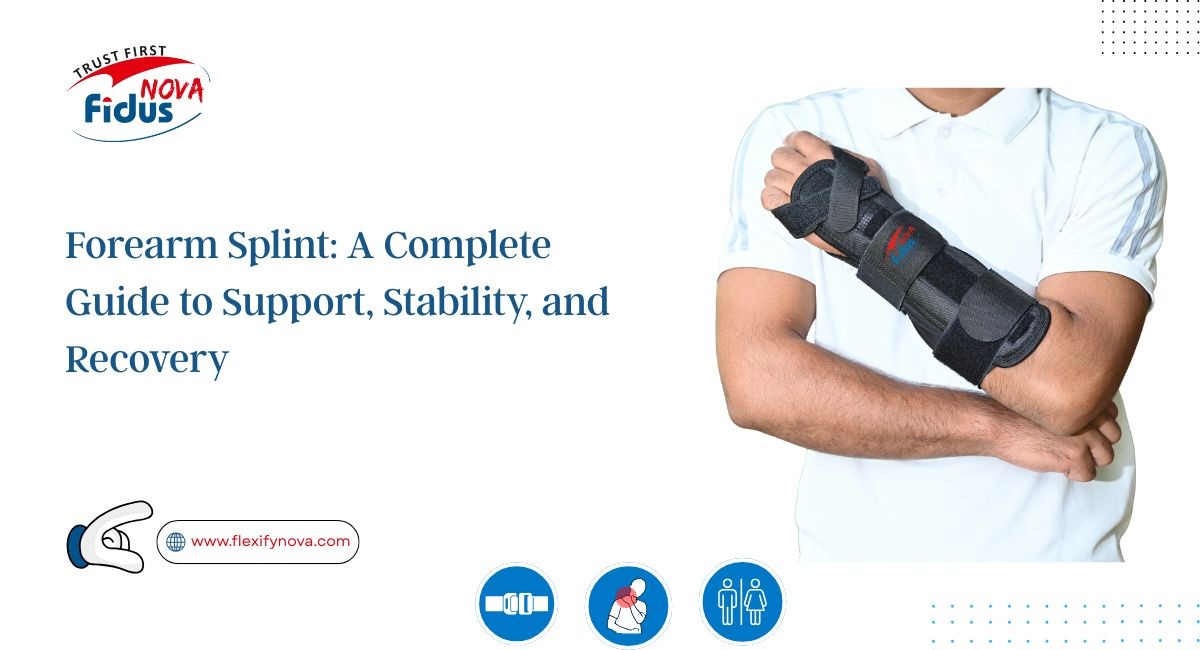
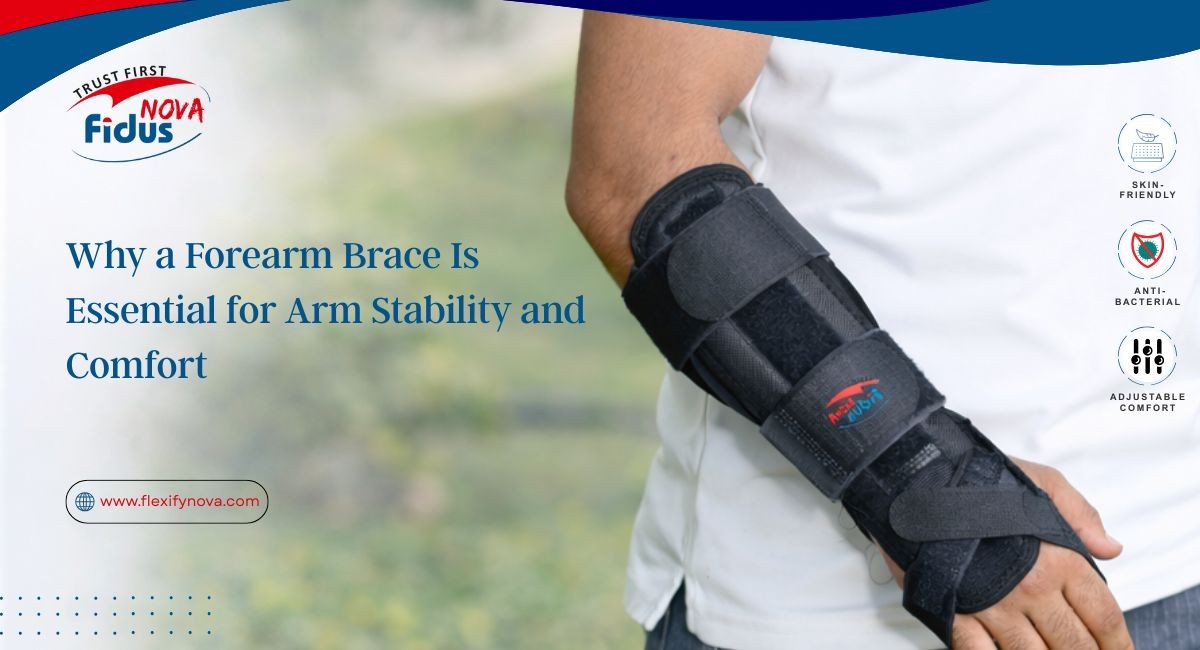
Orthopedic braces play a vital role in modern healthcare by supporting injured joints and muscles while promoting proper healing. Whether used after surgery, during rehabilitation, or as a preventive measure, these braces help stabilize affected areas, reduce pain, and minimize the risk of further injury. From knee braces and ankle supports to wrist splints and spinal braces, orthopedic braces are designed to enhance recovery and improve mobility safely.
Understanding Orthopaedic Braces
Orthopedic braces are medical devices designed to support, align, or immobilize specific parts of the body. They are commonly recommended for conditions such as sprains, fractures, arthritis, ligament tears, post-surgical recovery, and chronic joint instability.
Braces can be customized or off-the-shelf and are made using materials like elastic fabric, neoprene, metal hinges, or rigid plastic. Depending on the injury and level of support needed, braces range from soft compression sleeves to rigid immobilizers.
How Orthopaedic Braces Support the Healing Process
1. Stabilization of Injured Areas
One of the primary functions of an orthopaedic brace is to stabilize the injured joint or muscle. When a joint is unstable due to injury, even simple movements can delay healing. A brace restricts excessive motion and keeps the joint in proper alignment, allowing tissues such as ligaments, tendons, and muscles to heal effectively.
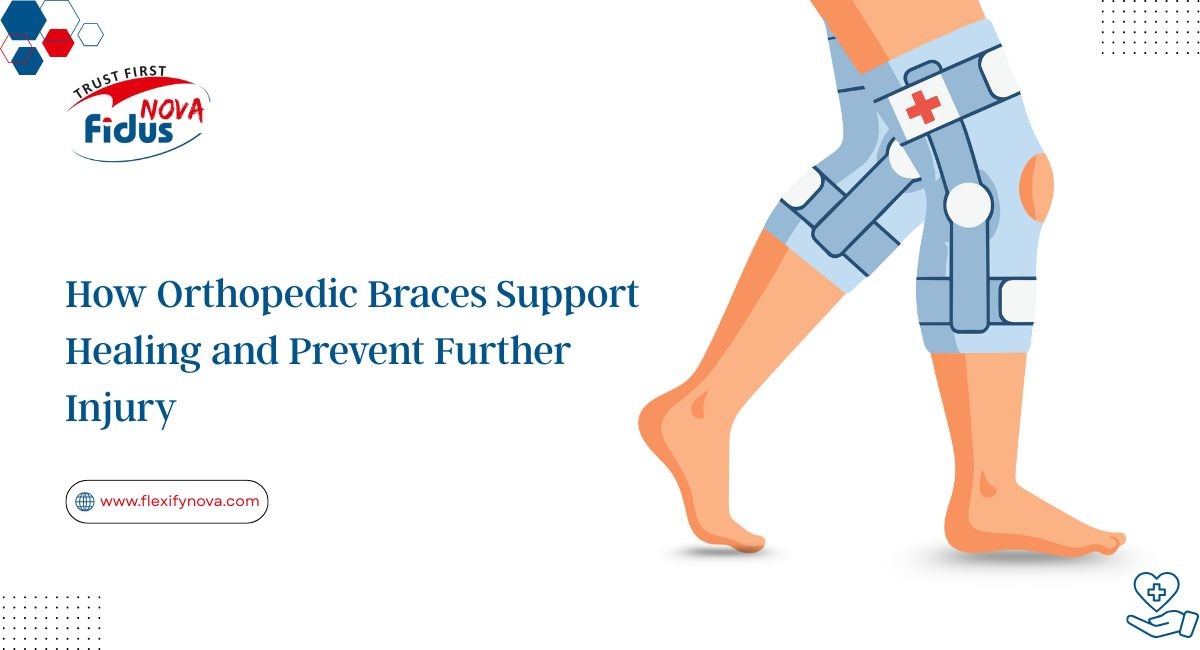
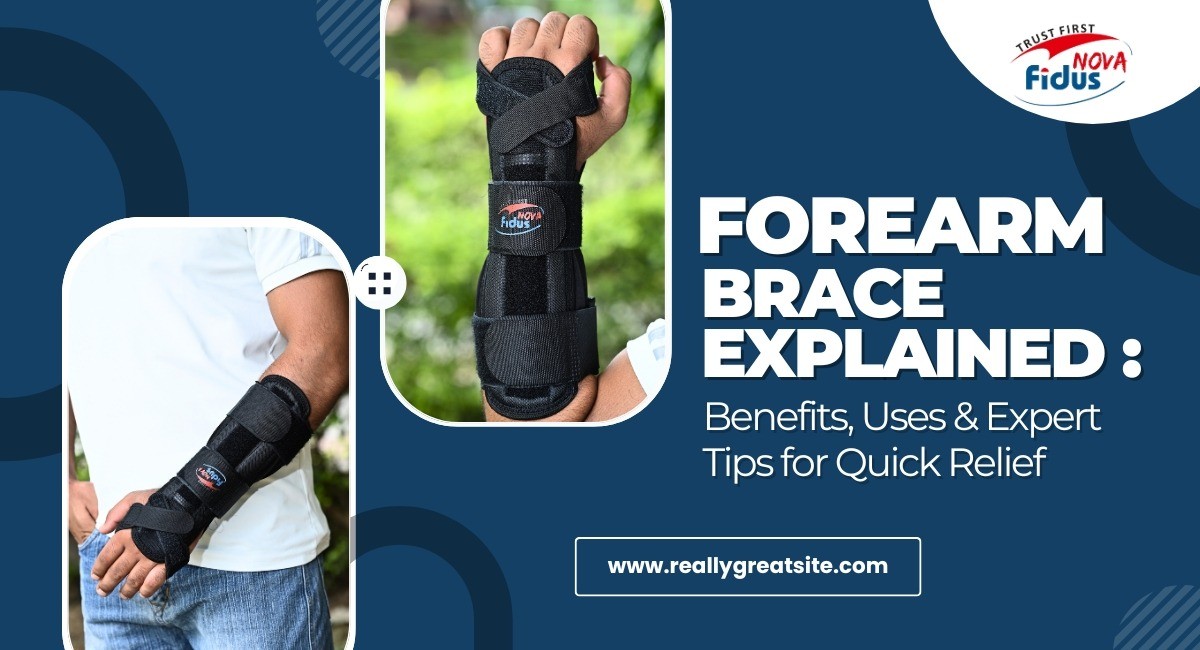
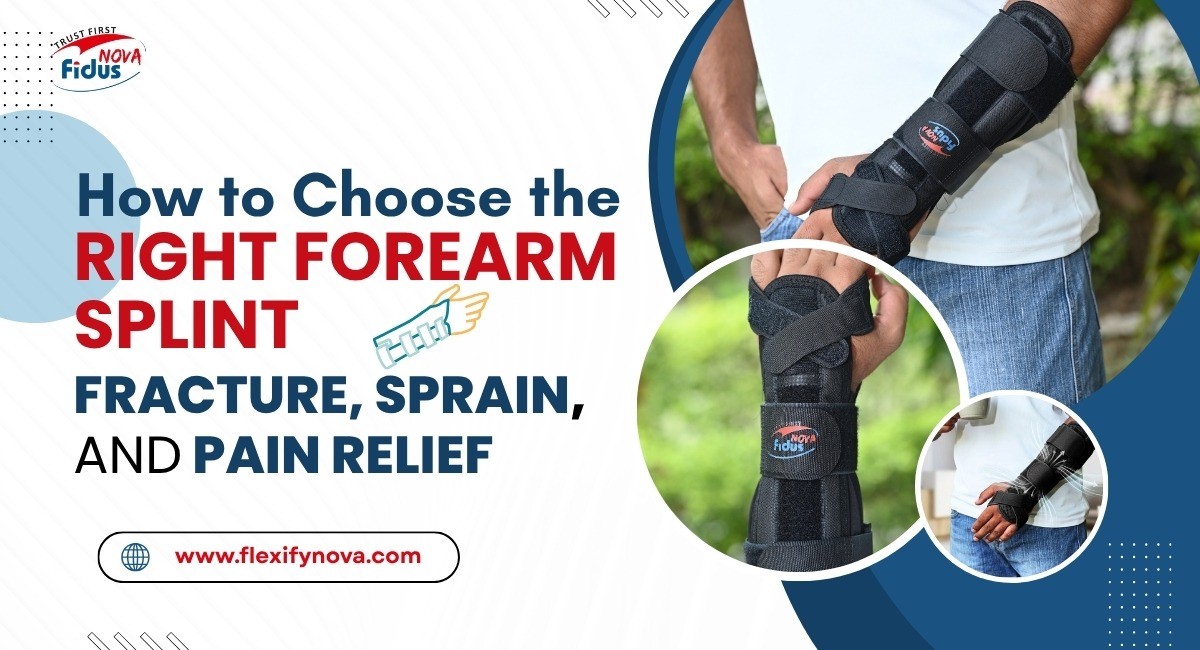
For example, a knee brace helps prevent side-to-side movement after ligament injuries, while a wrist splint stabilizes the joint after a fracture or sprain.
2. Reducing Stress and Load on Joints
Orthopedic braces help redistribute weight and pressure away from injured or weak areas. This reduction in mechanical stress prevents overuse of damaged tissues and minimizes inflammation.
For individuals with arthritis, braces can offload pressure from affected joints, reducing pain and stiffness while allowing controlled movement. This makes daily activities more manageable and supports gradual recovery.
3. Pain Relief and Inflammation Control
Pain often limits movement, slowing down recovery. Braces provide compression and support that help reduce swelling and inflammation, which in turn alleviates pain.
Compression braces improve blood circulation, promoting oxygen and nutrient delivery to injured tissues. This enhanced circulation accelerates healing and reduces muscle fatigue, especially during physical activity.
4. Supporting Post-Surgical Recovery
After orthopaedic surgery, proper healing is crucial. Braces are frequently prescribed post-surgery to protect repaired tissues and ensure correct joint positioning.
For example:
Knee braces after ACL reconstruction
Shoulder braces after rotator cuff surgery
Back braces following spinal procedures
These braces limit harmful movements while allowing safe, guided motion, reducing complications and speeding up rehabilitation.
5. Encouraging Proper Movement Patterns
Injuries often cause individuals to adopt poor movement habits to avoid pain. Over time, these compensatory movements can lead to additional injuries.
Orthopedic braces help guide joints into correct positions, promoting natural movement patterns. This reduces strain on surrounding muscles and joints and prevents imbalances that can slow recovery.
How Orthopaedic Braces Prevent Further Injury
1. Protection During Physical Activity
Braces act as a protective barrier during physical activities, sports, or demanding work. They absorb shock, provide extra support, and reduce the risk of sudden twists or impacts that could worsen an injury.
Athletes often use ankle, knee, or elbow braces during training or competition to prevent re-injury and maintain joint stability.
2. Limiting Harmful Movements
Certain injuries require strict movement control. Braces restrict dangerous motions such as hyperextension, excessive rotation, or bending beyond safe limits.
For example, a hinged knee brace prevents excessive lateral movement, while a spinal brace limits bending and twisting. By controlling motion, braces protect healing tissues from damage.
3. Improving Confidence and Mobility
Fear of reinjury can prevent individuals from returning to normal activities. Orthopedic braces provide psychological reassurance by offering visible support and protection.
This confidence encourages safe movement and gradual return to daily tasks or sports, reducing the likelihood of sudden, unsafe motions that could cause further injury.
4. Preventing Muscle Overuse and Fatigue
When one joint is injured, nearby muscles often compensate, leading to overuse and fatigue. Braces help balance workload by supporting weak areas, preventing strain on surrounding muscles.
This balanced support reduces the risk of secondary injuries and helps maintain overall musculoskeletal health.
Common Types of Orthopaedic Braces and Their Benefits
Knee Braces
Support ligaments and cartilage
Reduce pain from arthritis or injuries
Improve stability during walking or sports
Ankle Braces
Prevent sprains and instability
Support recovery after fractures
Enhance balance and mobility
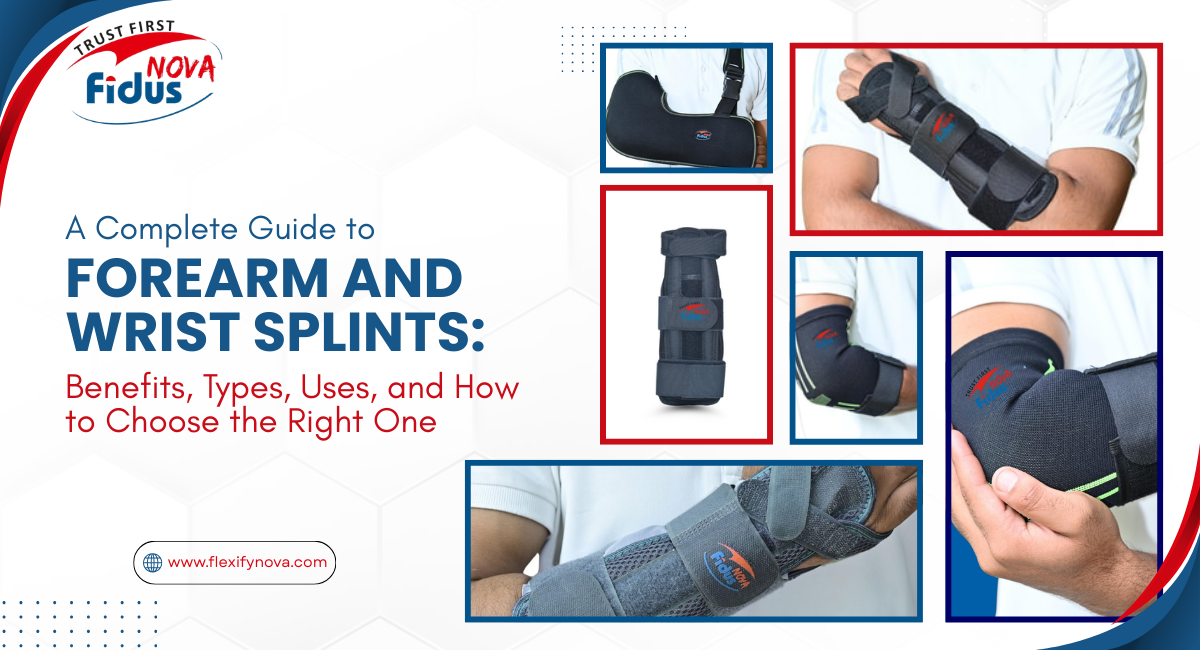
Wrist and Hand Braces
Stabilize joints after fractures or sprains
Relieve pain from carpal tunnel syndrome
Support repetitive strain injuries
Elbow Braces
Back and Spine Braces
Choosing the Right Orthopaedic Brace
Selecting the correct brace is essential for effective healing and injury prevention. Key factors to consider include:
Type and severity of injury
Level of support required
Comfort and fit
Material and breathability
Recommendations from healthcare professionals
An ill-fitting or inappropriate brace may cause discomfort or restrict circulation, reducing its effectiveness.
When to Use Orthopaedic Braces
Orthopedic braces should be used as part of a comprehensive treatment plan. While braces offer significant benefits, they should not replace physical therapy or medical care.
Braces are most effective when combined with:
Rehabilitation exercises
Proper rest and nutrition
Gradual return to activity
Regular medical evaluation
Long-term reliance without professional guidance may weaken muscles, so proper usage is essential.
Conclusion
Orthopedic braces are powerful tools that support healing and prevent further injury by stabilizing joints, reducing pain, and guiding proper movement. Whether used for recovery, rehabilitation, or injury prevention, these devices play a crucial role in restoring mobility and improving quality of life.
By providing protection, confidence, and targeted support, orthopedic braces enable individuals to heal safely and return to daily activities with reduced risk. When chosen correctly and used responsibly, orthopedic braces are an invaluable component of effective musculoskeletal care.