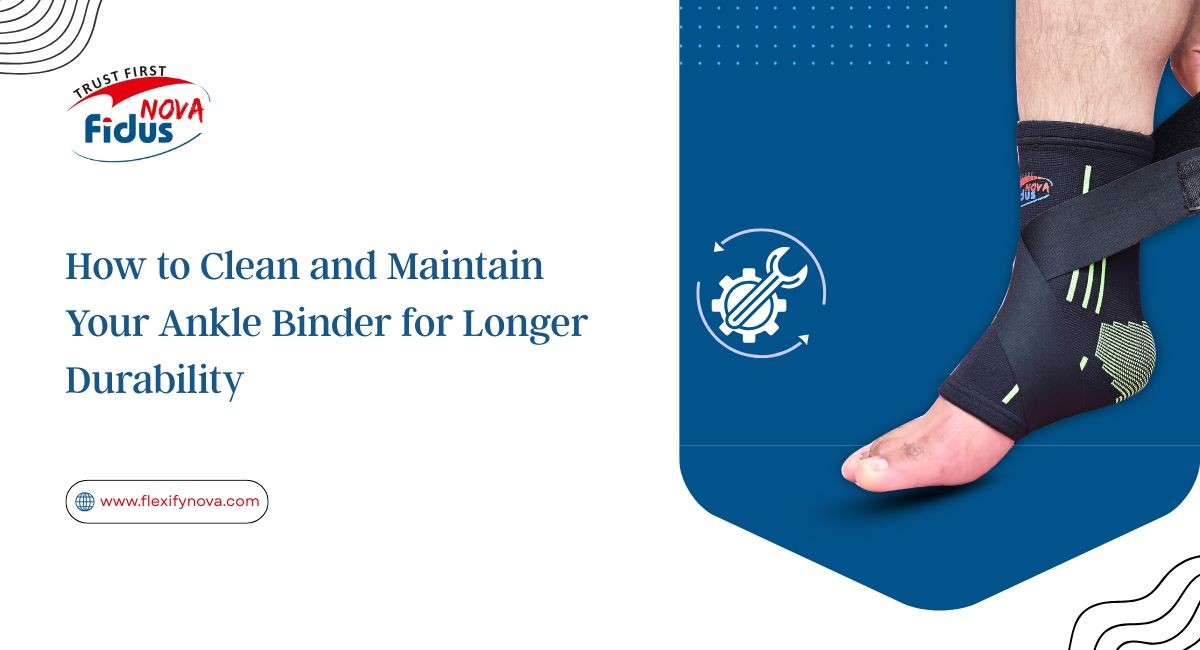
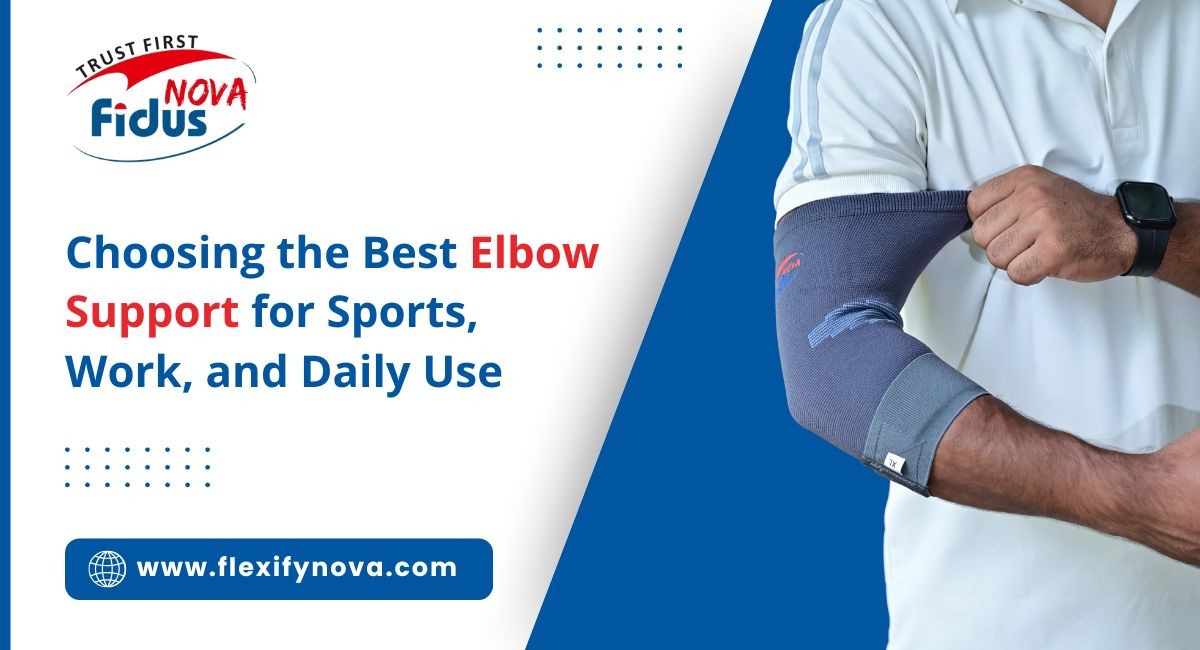
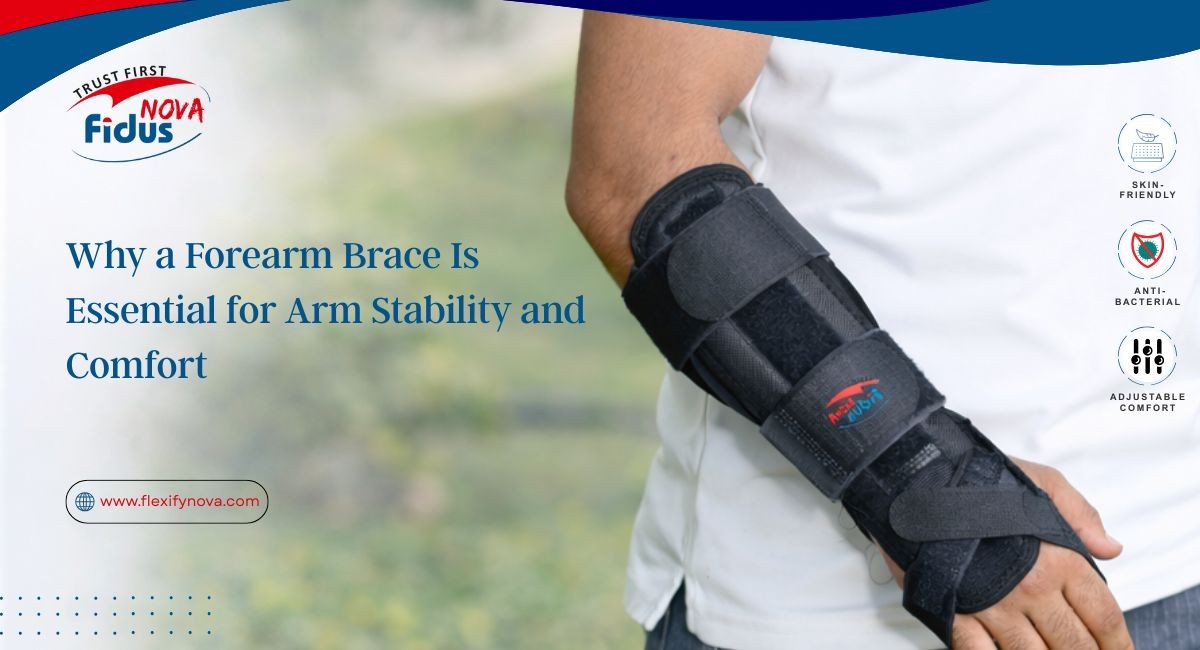
An ankle binder is an essential support accessory used for stability, compression, and injury recovery. Whether you use it for sports, physiotherapy, or everyday support, maintaining your ankle binder properly is the key to ensuring its longevity and consistent performance. With the right cleaning and care routine, your binder can retain its elasticity, provide optimal support, and remain hygienic for long-term use.
This professional guide explains step-by-step methods to clean, dry, store, and maintain your ankle binder for maximum durability.
Why Proper Cleaning Matters
Your ankle binder comes into direct contact with sweat, oils, and sometimes dust. Without regular cleaning, this can cause:
When you clean your binder correctly, you extend its lifetime and ensure that it continues delivering therapeutic benefits effectively.
Step-by-Step Guide to Cleaning an Ankle Binder
1. Refer to the Manufacturer’s Instructions
Always begin by reading the care label. Brands often specify:
Following these instructions prevents accidental damage and helps maintain fabric integrity.
2. Hand Wash for Best Results
Even if machine washing is permitted, hand washing is the most gentle and effective method to prolong durability.
How to handwash properly:
Prepare a bowl of lukewarm water.
Add a mild liquid detergent.
Soak the binder for 10–15 minutes.
Gently scrub areas with sweat accumulation.
Rinse thoroughly to remove all soap residue.
Handwashing protects the elastic fibers that provide compression.
3. Avoid Hot Water and Harsh Cleaners
Hot water can weaken the elasticity of the binder. Similarly, bleach, fabric softeners, and strong detergents can damage the material and reduce support.
Always use:
Mild detergent
Cold or lukewarm water
This simple step significantly extends the life of your binder.
4. Never Wring or Twist the Binder
Twisting the binder to remove excess water can stretch and permanently deform the material.
Instead:
This method preserves the binder's original shape.
Drying Your Ankle Binder Correctly
The drying stage is as important as the washing stage.
1. Air Dry in a Shaded Area
Direct sunlight can damage the fabric and cause it to become brittle or lose elasticity.
Place the binder in a shaded, airy space for natural drying.
2. Avoid Using a Dryer
Machine dryers use intense heat, which can shrink the binder and compromise its compression.
Always let it air dry naturally.
3. Do Not Hang from Straps
Hanging can overstretch certain parts of the binder.
Lay it flat on a clean surface or drying rack for even drying and shape retention.
Maintenance Tips for Longer Durability
1. Rotate Between Two Binders
If you use your binder frequently, consider keeping two.
Rotating them allows each binder to fully dry between uses, reducing wear and tear.
2. Store in a Clean, Dry Area
Moisture can damage elastic fabrics and promote bacterial growth.
Avoid storing your binder in:
Choose a breathable pouch or drawer.
3. Inspect Regularly for Wear and Tear
Look for signs like:
Replace your binder promptly to maintain proper support and avoid injury risk.
How Frequently Should You Clean Your Binder?
The cleaning frequency depends on usage:
Daily use: Every 2–3 days
Sports or heavy workouts: After every sweaty session
Occasional use: Every 3–4 wears
Maintaining a regular cleaning cycle ensures hygiene and fabric longevity.
Do’s and Don’ts for Long-Lasting Ankle Binders
✔ Do:
✘ Don’t:
When Should You Replace Your Ankle Binder?
Even with proper care, ankle binder eventually lose effectiveness. Replace when:
Using a worn-out binder can increase the risk of injury.
Final Thoughts
Maintaining your ankle binder is simple but crucial. With the right cleaning methods and proper care, you can preserve its compression strength, durability, and hygiene for months—if not longer. A well-maintained binder not only supports injury recovery but also ensures a safe and comfortable user experience.